Timing your purchase could mean less competition, less stress, and real savings.

If you've been planning to buy a home this year, you might be holding out for spring — hoping mortgage rates ease a bit more or that fresh listings flood the market. That instinct makes sense. But acting just a few weeks earlier than the crowd could work in your favor in some meaningful ways.
Here's what the data and industry experts suggest about buying before the spring rush.
1. Mortgage Rates May Already Be Near Their Floor

Many buyers are waiting for rates to drop further before making a move. But industry forecasts suggest rates are likely to hold relatively steady throughout the year, hovering in the low-to-mid 6% range — with limited room for significant declines.
It's also worth noting that rates have already improved considerably compared to recent highs, meaning buying power has quietly gotten better for many households.
Chen Zhao, Head of Economics Research at Redfin, has noted that current mortgage rates may be close to the lowest buyers will see for the foreseeable future.
Waiting weeks or months for a rate that may not come — while more buyers enter the market — could cost more than it saves.
2. Spring Brings More Competition and a Faster Pace

Spring is traditionally the busiest season in real estate, and that popularity has a downside for buyers: more competition, faster decisions, and a more stressful experience overall.
According to data from Realtor.com, homes sell in roughly 50 days during the spring market, compared to around 70 days in winter. That 20-day difference translates to significantly less time to think, compare, and negotiate before a home goes under contract.
Buying earlier — while the market is a bit quieter — gives you more breathing room to evaluate your options without feeling pressured.
3. Home Prices Tend to Climb With Demand
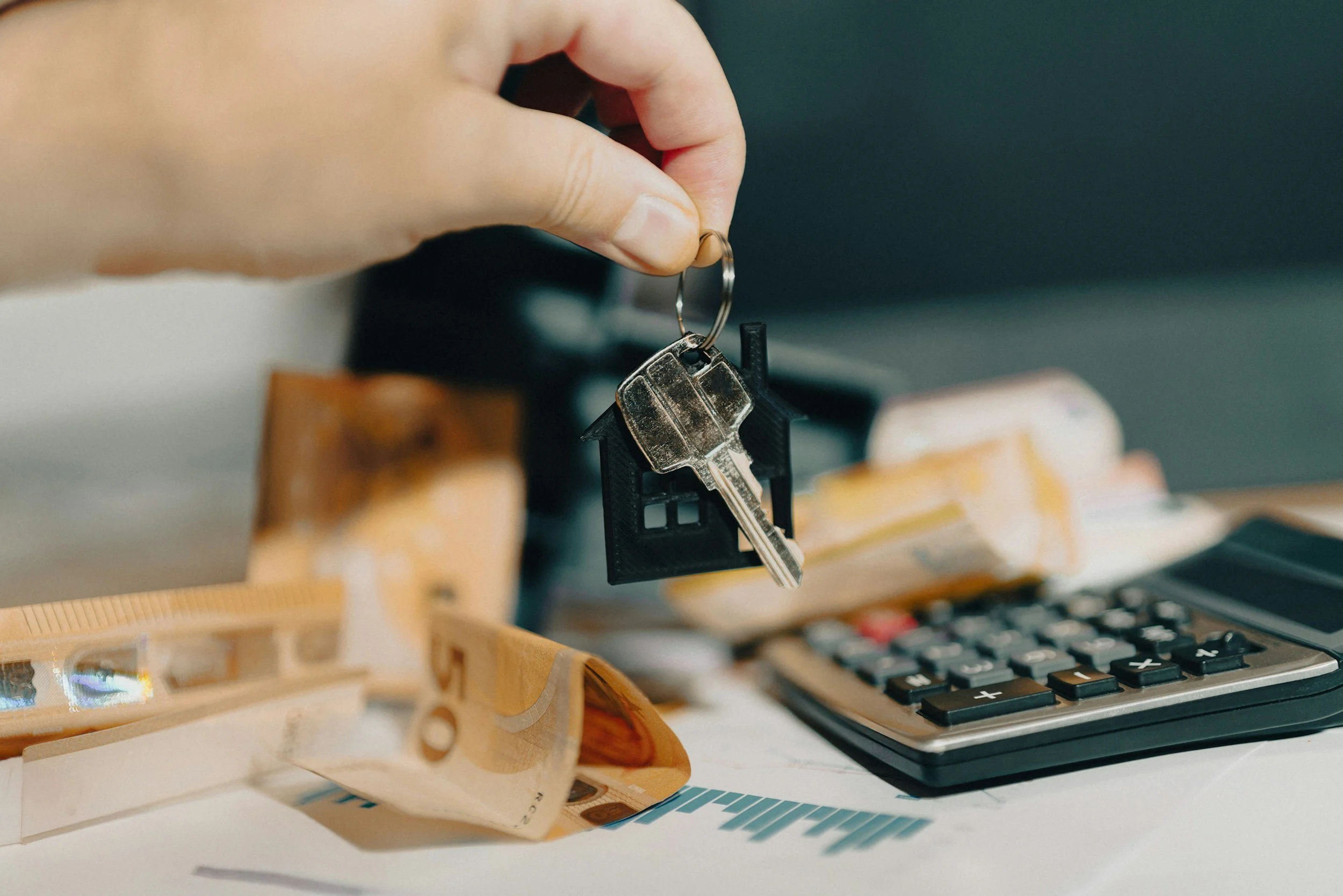
Real estate pricing is largely driven by supply and demand. When more buyers compete for the same homes, sellers gain leverage — and prices respond accordingly. Spring and early summer consistently reflect higher median sale prices than the slower winter months.
Data from the National Association of Realtors (NAR) indicates that buyers who purchased earlier in 2025 paid meaningfully less compared to those who bought when prices peaked later in the year.
For buyers already stretching to make a purchase work, getting ahead of that seasonal price increase can make a real difference.
Bottom Line
Buying before spring isn't about rushing into a decision — it's about being strategic. If you're financially ready and have been on the fence about timing, the window right now may offer more advantages than it appears.
Ready to explore your options? The Trifilo Team is here to help you make a smart move — on your timeline. Reach out today and let's talk about what's possible for you.