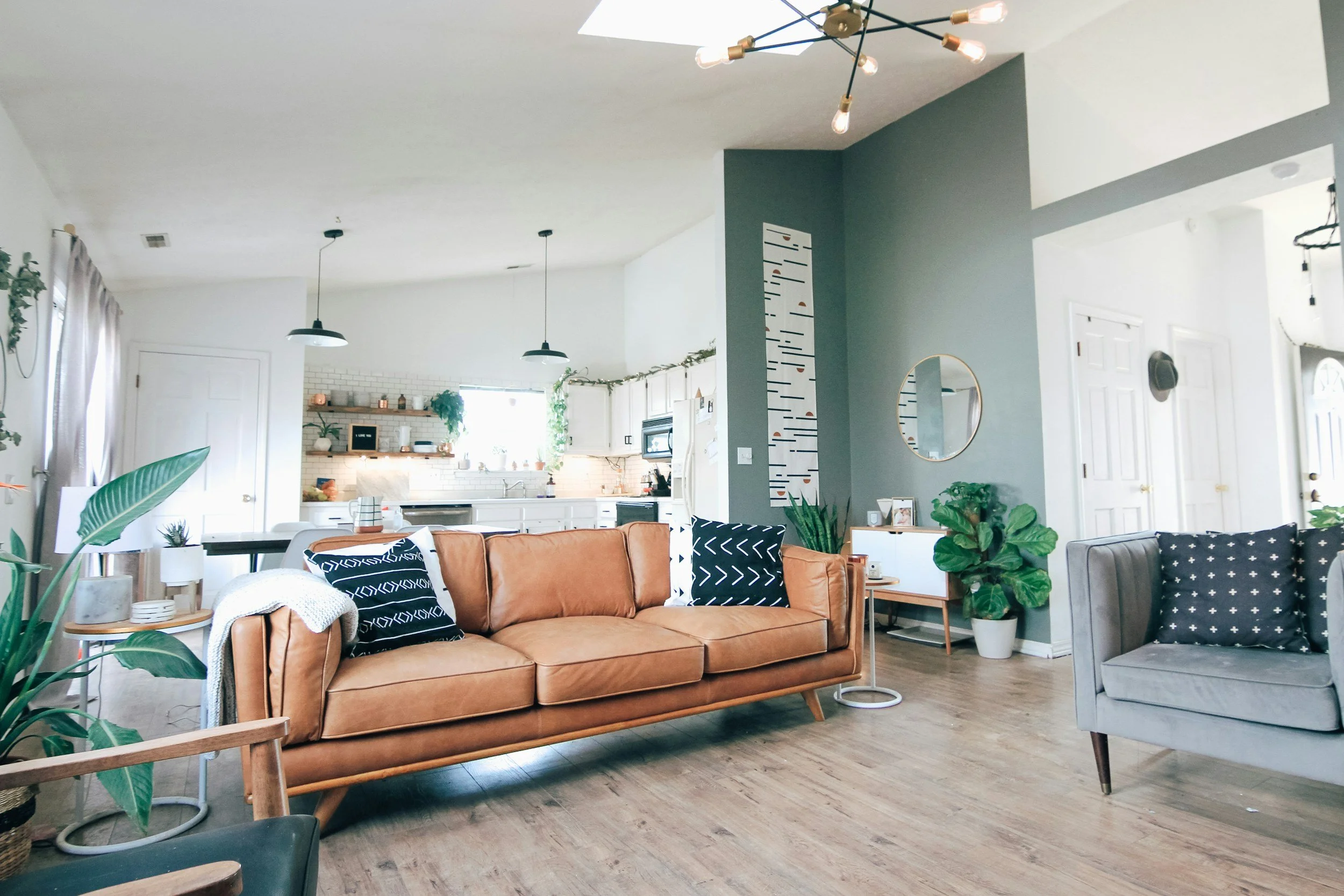
A more organized home doesn't always require a major renovation, expensive built-ins, or a complete redesign. Often, the most effective storage ideas are also the simplest.
Clearer entryways, better closet organization, smarter kitchen cabinets, and defined storage zones in basements and garages can make everyday life easier and help a home feel more functional.
For homeowners thinking about selling, decluttering and improving storage can also help prospective buyers better understand a home's layout, available space, and existing features.
Here are practical ideas to help you make better use of the space you already have.
Why Home Storage and Organization Matter
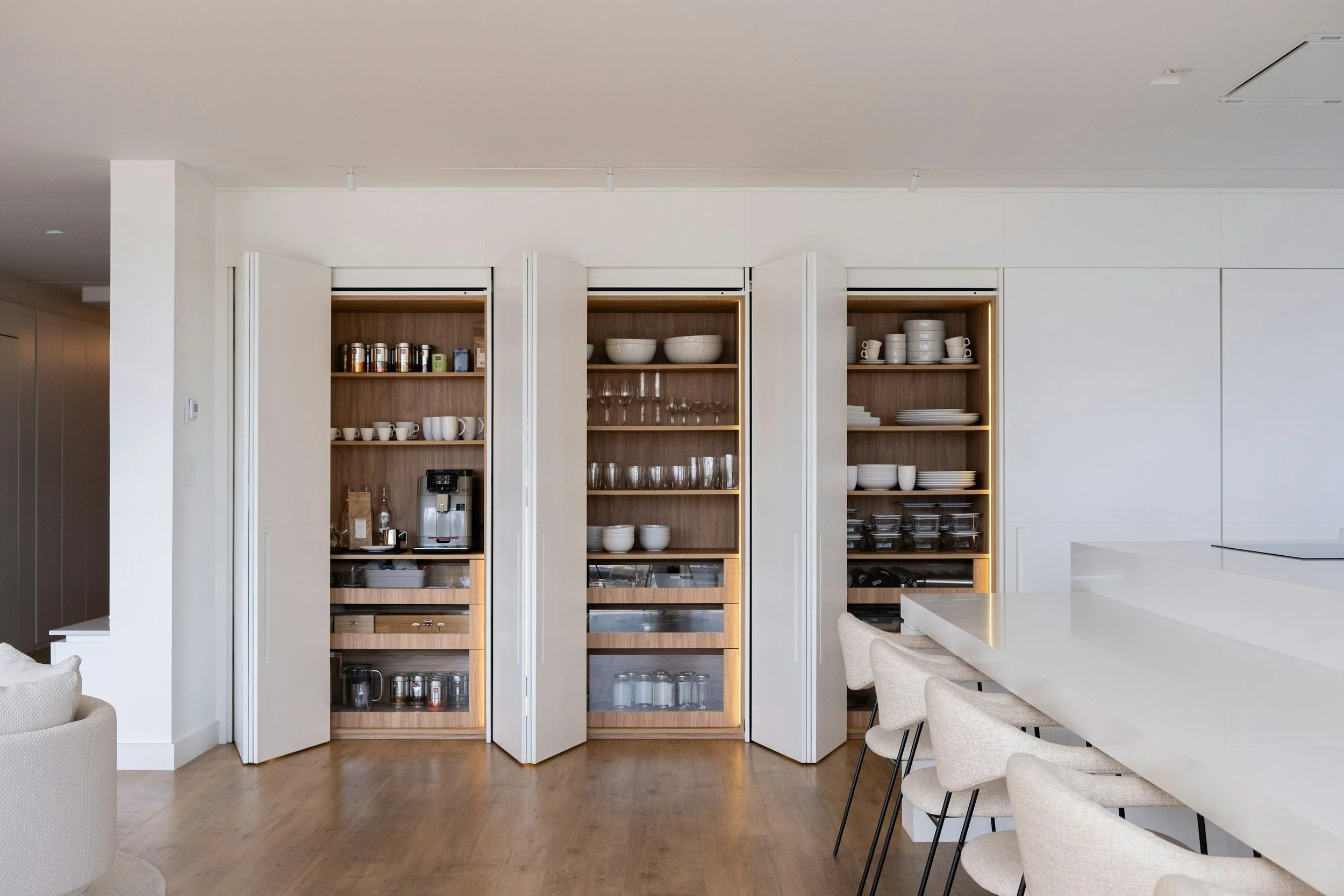
Storage is about more than finding a place to hide clutter. A well-organized home can make rooms easier to use, simplify daily routines, and help each space serve a clearer purpose.
The right solution depends on your home's layout, available space, and how each room is used. A smaller home may benefit from vertical storage and multifunctional furniture, while a larger one may need clearer systems in closets, garages, basements, or utility areas.
Before buying new shelves, baskets, or organizers, identify the areas that create the most clutter. Ask yourself:
What items do we use most often?
Where do shoes, bags, mail, keys, or sports equipment naturally collect?
Which areas are hardest to keep organized?
Could existing storage be used more efficiently?
What would make the space easier to reset at the end of the day?
Starting with everyday problem areas makes organization feel much more manageable.
1. Create a Functional Entryway or Drop Zone
The entryway is one of the easiest places for clutter to build up. Shoes, bags, keys, coats, mail, and umbrellas often land near the front door or garage entrance.
Instead of letting these items spread into nearby rooms, create a simple drop zone with:
Wall hooks
Shoe trays
A narrow console table
A small bench with storage
Labeled baskets
Wall-mounted shelving
A slim storage cabinet
If floor space is limited, look up. Wall hooks, floating shelves, and tall narrow cabinets add storage without crowding a small entry.
If you're preparing to sell, clearing excess shoes, coats, and personal items helps the entrance look clean and easy to navigate.
2. Improve Closet Organization Without Expensive Built-Ins
Custom closets can be useful, but they aren't the only way to improve storage. Simple changes can make existing space easier to use:
Remove clothing and items you rarely use
Switch to matching hangers
Add shelf dividers and labeled bins
Add a second hanging rod where it fits
Store seasonal clothing separately
Keep the closet floor clear
Group similar items together
The goal isn't to make a closet look larger than it is. It's to make the available space clear, accessible, and functional.
This matters when preparing for listing photos or showings. An overfilled closet can make it hard for buyers to understand the space's actual storage capacity.
3. Use Smarter Kitchen Storage Before Considering a Remodel
Before assuming you need more cabinetry or a bigger pantry, look at how your current kitchen storage is being used. Simple upgrades include:
Shelf risers for plates and bowls
Vertical organizers for pans and baking sheets
Drawer dividers
Pull-out cabinet bins
Under-sink organizers
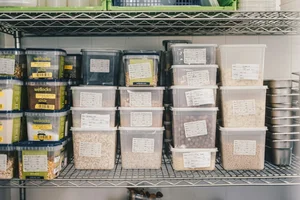
Clear pantry containers
Lazy Susans for hard-to-reach corners
Keep frequently used items within easy reach and move seasonal or rarely used appliances to secondary storage.
Clear counters also help a kitchen feel less cluttered and let its layout, counter space, and cabinetry stand out, which is especially useful before listing photos and showings.
4. Organize the Pantry Into Clear Zones
A pantry gets hard to manage when everything is stored together. Organize by category instead:
Snacks
Baking supplies
Breakfast foods
Canned goods
Pasta and grains
Beverages and condiments
Household supplies and overflow
Clear bins, shelf risers, and labels make it easier to see what you have, which can reduce duplicate purchases and help the pantry stay organized over time.
5. Create Storage Zones in the Garage, Basement, or Attic
Garages, basements, and attics often become catch-all spaces. Without a system, seasonal décor, tools, sports gear, and keepsakes can gradually take over.
Create dedicated zones instead, such as:
Seasonal and holiday décor
Tools
Lawn and garden supplies
Sports and outdoor gear
Household supplies
Keepsakes
Wall-mounted shelving and racks keep items off the floor, and clearly labeled bins make things easier to find.
When storing belongings in basements or attics, be mindful of moisture, ventilation, electrical systems, and structural conditions. Any concerns in these areas should be evaluated by a qualified professional.
6. Choose Furniture With Built-In Storage
Multifunctional furniture adds storage without permanent renovations, which helps most in smaller spaces. Consider:
Storage ottomans
Beds with built-in drawers
Benches with hidden storage
Lift-top coffee tables
Sideboards and media cabinets
Console tables with drawers
Just avoid adding so much furniture that rooms become hard to move through. Keep walkways clear so each room's layout and purpose stay easy to understand.
7. Make Better Use of Vertical Space
When floor space is limited, vertical storage can make a significant difference. Look for opportunities to use:
Floating shelves
Tall bookcases
Wall-mounted hooks
Pegboards
Over-the-door storage
Stackable bins
Wall-mounted garage racks
Vertical storage works especially well in entryways, home offices, laundry rooms, garages, and small bedrooms.
8. Simplify Home Office Storage
Whether you work from home full-time or just need a spot for household paperwork, a cluttered office quickly becomes distracting. Keep it organized with:
File boxes and labeled folders
Drawer organizers
Cable management
Desktop trays
Closed storage cabinets
Small baskets for supplies
Clear out paperwork that no longer needs to be accessible, and securely store documents containing personal or financial information.
9. Declutter Before Listing Photos and Showings
If you're preparing to sell, the goal isn't to make your home look empty. It's to help buyers clearly see the layout, room sizes, storage areas, and existing features.
Before listing photos, consider:
Clearing countertops and tabletops
Packing off-season items early
Organizing closets and leaving some visible space
Clearing garage floors and organizing basement storage
Removing excess furniture to open up floor space
Clearing bathroom counters
Removing unnecessary personal items
Securing valuables and personal documents
Not every home needs expensive renovations before it's listed. Depending on the property, cleaning, decluttering, minor maintenance, and thoughtful presentation may be more appropriate than major remodeling.
Every property is different, so preparation decisions should be based on the home's condition, layout, and marketing strategy. A real estate professional can help you decide which areas deserve the most attention.
10. Declutter One Room at a Time
Trying to organize an entire home in one weekend can quickly become overwhelming. Work in stages instead:
Entryway or mudroom
Kitchen and pantry
Bedroom closets
Bathroom storage
Home office
Basement
Garage
Attic or seasonal storage
Finish one area before moving to the next whenever possible. Progress is easier to see, and you avoid half-finished projects creating more clutter.
Home Storage Ideas by Room
Entryway
Use hooks, baskets, shoe storage, and a small bench to keep everyday items together.
Kitchen
Use drawer organizers, shelf risers, vertical pan storage, and pull-out bins to get more from existing cabinets.
Pantry
Group similar foods together and use clear containers or labeled bins.
Bedroom Closets
Use shelf dividers, matching hangers, and seasonal storage containers to reduce overcrowding.
Bathroom
Use drawer organizers, under-sink bins, and wall-mounted storage to keep toiletries organized.
Home Office
Use file storage, cord management, and closed cabinets to reduce visual clutter.
Garage
Use wall-mounted racks, shelving, and labeled containers to keep floors open.
Basement
Create separate areas for seasonal items, household supplies, recreational equipment, and keepsakes.
Frequently Asked Questions About Home Storage and Organization
What are the best storage ideas for a small home?
Start with vertical storage, multifunctional furniture, wall hooks, floating shelves, and under-bed storage. Focus on keeping floors and walkways as open as possible.
How can I organize my home before selling?
Start with high-visibility areas like the kitchen, entryway, living room, closets, bathrooms, garage, and basement. Pack items you don't use regularly and organize what remains so buyers can clearly understand the home's available space.
Should closets be empty when showing a house?
No. Closets don't need to be empty. The goal is to avoid overcrowding so the closet's actual size and storage capacity are visible.
Does decluttering help when selling a home?
Decluttering may help buyers see a home's layout, storage, and features more clearly. However, no organizational or cosmetic improvement can guarantee a specific sale price, offer, or time on market.
Should I remodel before selling my home?
Not necessarily. The right approach depends on the property's condition, local market conditions, your budget, and your selling goals. Some homes benefit more from cleaning, organization, maintenance, and selective improvements than from a major renovation.
What should I remove before listing photos?
Consider removing excess countertop items, unnecessary furniture, personal paperwork, excess décor, off-season items, and anything that distracts from the home's actual features.
Start With Simple Home Organization
A more functional home doesn't have to begin with a major renovation. Start with the spaces you use every day: clear high-traffic areas, give everyday items a home, organize closets, use vertical space, and create defined zones in garages and basements.
If you're thinking about selling, organization can be part of your overall preparation strategy. The improvements that make sense for one home may not be necessary for another.
Thinking About Selling Your Home?
Preparing a property for the market involves more than putting up a For Sale sign. From decluttering and home preparation to pricing, marketing, showings, negotiations, and closing, a clear plan helps you understand what comes next.
Connect with the Trifilo Team at HUNT Real Estate ERA to talk through your real estate goals and the steps that may make sense for your property.
Published by Joseph Trifilo
Phone: (716) 553-3939
Email: thetrifiloteam@gmail.com
The Trifilo Sales Team | HUNT Real Estate ERA
5570 Main Street, Suite 200, Williamsville, NY 14221
This article is for general informational purposes only and is not legal, financial, home inspection, or construction advice. Results vary by property and market conditions.
Equal Housing Opportunity.